

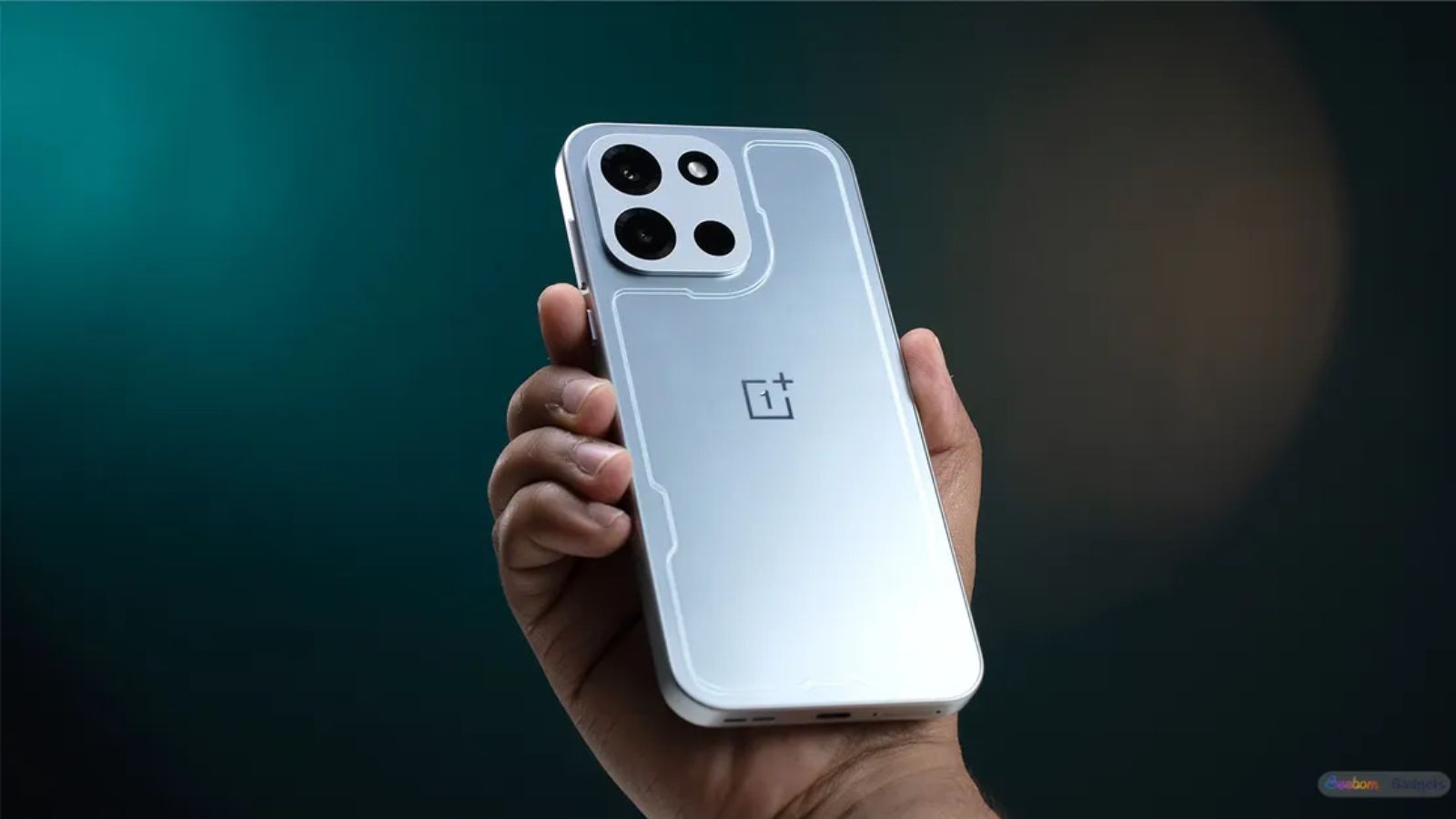
The premium mid range smartphone market in India is facing an unexpected shift. Just weeks after its successful launch, OnePlus has officially revised the pricing structure for its latest performance champion, the OnePlus Nord 6. The popular device, which earned praise for bringing flagship grade features down to a more accessible price point, has now received a substantial price increase across its storage configurations.
This unexpected pricing update pushes the phone into an entirely new market segment. While OnePlus originally positioned the device as an aggressive flagship killer under forty thousand rupees, tech enthusiasts and potential buyers will now have to reevaluate their purchasing budgets.
New Variant Pricing Structure Revealed
The revised pricing structure is already live on the official OnePlus India website and major electronic retail portals. When the phone first debuted, the base variant featuring 8GB RAM and 256GB internal storage carried an aggressive price tag of 38,999 rupees. Following the latest adjustments, that exact same entry level model now costs 42,999 rupees.
A similar price increase applies to the top end configuration. The premium variant with 12GB RAM and 256GB storage space originally hit store shelves at 41,999 rupees. Buyers looking to secure this high tier multitasking option must now pay 47,999 rupees.
This total increase of six thousand rupees across the lineup represents a massive pivot. According to company sources, a brief introductory discount temporarily masked part of this transition, but standard retail pricing has now officially locked into these higher brackets.
Why Smartphone Prices Are Climbing Globally
While OnePlus has not published an exhaustive public manifesto detailing the exact business decisions behind this choice, industry supply chain experts emphasize that the brand is responding to global economic pressures. The entire consumer electronics sector is currently grappling with skyrocketing component costs.
In particular, the wholesale prices of high speed flash storage and advanced semiconductor memory chips have risen steadily over the past few quarters. Because mid range devices operate on razor thin profit margins to keep prices low, manufacturers cannot easily absorb sustained component price increases.
Compounding this situation is the reality that the company packed premium hardware into this generation. When a mid range phone features high tier internals, it becomes highly vulnerable to external global supply shocks.
Does the Hardware Still Justify the Premium Cost
Despite entering a loftier price tier, the phone still presents a truly formidable specification sheet that sets it apart from typical mid tier competitors. The driving force behind the device is the advanced Qualcomm Snapdragon 8s Gen 4 processor, an elite piece of silicon that delivers stellar gaming and multitasking benchmarks.
The visual experience remains equally high tier. The front of the phone boasts a stunning 6.78 inch AMOLED display featuring a blazing fast 165Hz refresh rate and a peak brightness of 3600 nits, protected by robust Crystal Guard Glass.
The true standout engineering marvel is the massive 9000mAh silicon carbon battery pack. This segment largest power cell easily pushes past two full days of intensive runtime, supported by rapid 80W SUPERVOOC fast wired charging technology.
On the optics front, the rear camera cluster houses a reliable 50 megapixel Sony LYTIA primary sensor with optical image stabilization, accompanied by an 8 megapixel ultra wide lens and a 32 megapixel front facing selfie camera.
Intense Competition Awaits in the Higher Segment
At its original launch cost, the phone enjoyed a distinct pricing advantage over its immediate rivals. However, sitting comfortably between forty thousand and fifty thousand rupees means it now faces direct competition from some incredibly fierce alternative devices.
The phone now goes head to head with premium offerings like the POCO X8 Pro Max and the power focused iQOO 15R. Furthermore, this higher bracket brings the device dangerously close to the pricing territory of older flagship options and the company own premium alternative models.
For users prioritizing exceptional battery endurance, raw processing speeds, clean software, and a fluid high refresh rate screen, the device remains an excellent investment. However, buyers who demand versatile camera arrays with dedicated telephoto lenses might now look toward other options in this newly occupied premium tier.