

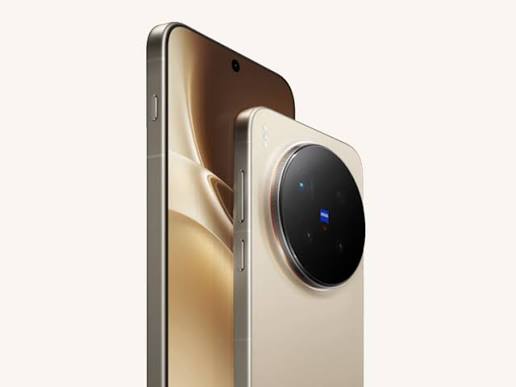
The global smartphone market is undergoing a fascinating shift as consumer preferences evolve. For years manufacturers pushed the boundaries of screen sizes, making large displays the absolute standard for premium devices. However, recent insider reports indicate that a counter movement is gaining significant momentum. Prominent tech tipsters have shared massive leaks regarding the upcoming Vivo X500 Pro Mini, a device that aims to redefine what a small form factor smartphone can achieve. By combining elite hardware with a pocket friendly design, this upcoming model is already generating immense chatter among enthusiasts.
Interestingly, those tracking the brand might wonder what happened to the fourth generation iteration. The manufacturer has reportedly decided to skip the number four completely due to tetraphobia, a widespread cultural practice in several Asian countries where the number is avoided because it sounds similar to the word for death. Skipping directly to this fifth generation series allows the company to introduce groundbreaking technology while keeping its naming conventions aligned with modern market expectations.
The Return Of The Premium Small Screen Smartphone
According to detailed insights shared by reputable industry insiders on platforms like Weibo, the new model will feature a beautiful six point three seven inch flat OLED display. This screen utilizes advanced LTPO panel technology, allowing for a dynamic refresh rate that can go up to an incredibly smooth one hundred and forty four hertz. The resolution is tipped to be one point five K, ensuring that text and visuals remain perfectly crisp despite the smaller footprint.
This form factor positions the device as a direct competitor to other compact flagships in the market. Many users have grown tired of massive devices that are difficult to operate with a single hand. The rumored dimensions suggest that this model will provide a comfortable grip without sacrificing the premium build quality that buyers expect from a top tier flagship device.
Revolutionizing Performance With Two Nanometer Architecture
The absolute highlight of these leaked specifications relates to the internal processing power. The compact device is said to be currently testing the next generation MediaTek Dimensity ninety six hundred Pro chipset. What makes this processor truly revolutionary is that it is built on a cutting edge two nanometer manufacturing process.
In the world of mobile technology, a smaller nanometer rating means that transistors are packed much closer together. This engineering feat results in massive gains for both raw processing speeds and overall power efficiency. Power users and mobile gamers can expect unmatched multitasking capabilities, blistering frame rates, and a device that remains cool even during intense workloads. The phone is also rumored to run on OriginOS seven based on the upcoming Android seventeen operating system right out of the box.
Next Generation Camera Setup With Advanced Telephoto Macro
Small phones historically suffer from downgraded camera systems because premium sensors require substantial physical space. Vivo seems determined to shatter this limitation. Leaks reveal that the device will sport a triple camera array on the back, led by a fifty megapixel primary sensor measuring one point two eight inches. This primary lens utilizes advanced LOFIC sensor technology, which drastically improves dynamic range and prevents overexposure in challenging bright conditions.
Complementing the main camera is a fifty megapixel ultra wide lens designed for expansive landscape shots. However, the true star of the show is the sixty four megapixel eighty five millimeter periscope telephoto lens. This telephoto camera will support advanced macro photography, allowing users to take incredibly detailed close up shots from a distance. Having such a large sensor area for zoom on a compact device gives it a massive advantage over its immediate competitors.
Unprecedented Battery Capacity In A Petite Form Factor
Battery life has always been the Achilles heel of smaller smartphones. To counter this, the manufacturer is aiming for an astonishing battery capacity that could range anywhere from six thousand five hundred milliampere hours up to seven thousand milliampere hours. Achieving this density in a small chassis is a monumental engineering challenge, especially when factoring in the massive camera sensors.
Even if the final production version lands on the lower end of that estimate, it will still completely blow standard small screen competitors out of the water. Users can look forward to multiple days of heavy use without constantly checking for a charging percentage.
Expected Launch Timeline And Market Competition
The highly anticipated smartphone series is expected to make its official debut in China around September this year. While initial availability might remain exclusive to domestic markets, a global release is highly anticipated by tech purists worldwide. If these leaks turn out to be completely accurate, this compact beast will pose a direct threat to upcoming rivals like the iPhone eighteen and the Galaxy Stwenty seven, proving that true flagship power does not require a giant screen.