

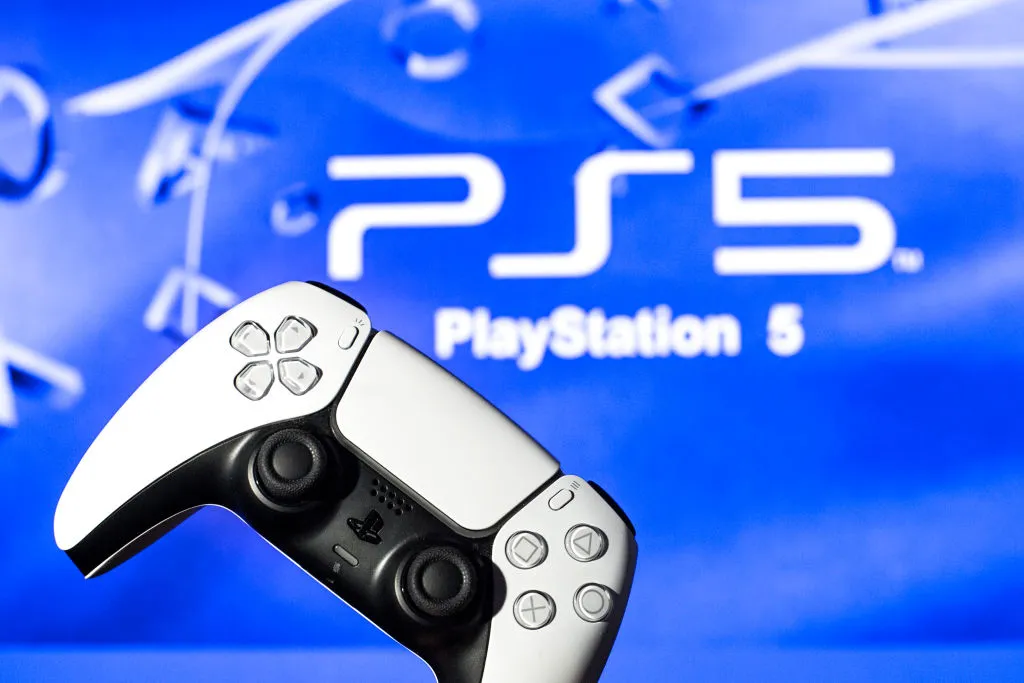
The landscape of interactive entertainment is undergoing its most radical transformation yet. Sony Interactive Entertainment has shocked the gaming community worldwide by officially announcing the complete termination of physical disc production for new PlayStation games. This decision marks the definitive end of an era for collectors and physical media enthusiasts who have supported the brand for decades. More importantly this massive policy shift provides the clearest indication yet of when the highly anticipated PlayStation 6 will hit global retail shelves and what form the next generation console will take.
Sony Confirms The Death Of Physical Game Discs
According to an official statement published on the PlayStation Blog Sony will stop manufacturing physical game discs for all new titles across its consoles starting in January 2028. After this critical cutoff date any new video game releases will be distributed solely through the digital PlayStation Store and via digital download codes sold at traditional retail outlets.
Sony explained that this transition is a natural response to rapidly changing consumer preferences. Internal data shows that digital downloads and subscription services have grown to dominate the market outpacing physical sales by an overwhelming margin. While existing physical games and titles released before the 2028 deadline will remain unaffected new releases moving forward will exist strictly in the digital realm. The announcement has immediately sparked intense conversations among players regarding game ownership and digital preservation.
Analyzing The Estimated PlayStation 6 Launch Date
The timing of Sony ending its physical media production provides massive clues regarding its hardware roadmap. Industry experts and market analysts have quickly connected the dots pointing out that the January 2028 deadline directly aligns with the developmental cycle of the next generation system.
Prominent games industry analysts believe this strategy almost certainly guarantees that the PlayStation 6 will not arrive before 2028. The current consensus among market researchers indicates that Sony is targeting a launch window toward the end of 2028 likely around November to capitalize on the lucrative holiday shopping season. Pushing the release to late 2028 allows the current PlayStation 5 ecosystem to complete a healthy lifecycle while giving developers ample time to adapt to a completely disc free future. It also ensures that the PlayStation 6 will launch into a retail market that has already fully adjusted to the digital format.
Why The PlayStation 6 Will Be Completely Digital
Eliminating the physical media drive from the standard model of the PlayStation 6 is a calculated business move driven by soaring manufacturing costs. Recent supply chain reports suggest that the price of advanced computer memory and high speed solid state storage has skyrocketed. Some hardware insiders warn that the sheer cost of producing next generation components could push the manufacturing cost of the upcoming console close to one thousand dollars.
By removing the complex mechanical disc drive entirely Sony can significantly reduce production expenses. This cost saving measure allows the company to keep the final retail price of the console as affordable as possible for the average consumer. Sony has already experimented with this approach by launching digital variations of its hardware and making the physical drive an optional separate accessory. For the upcoming generation digital distribution will no longer be an alternative choice but the foundation of the entire system architecture.
What This Means For Game Ownership And Retailers
The shift to a digital only future has understandably created a wave of anxiety among traditional gamers. For over thirty years console players have relied on physical discs to ensure true ownership of their software libraries. Discs allow users to share games with friends trade older titles at local shops and enjoy their purchases offline without relying on corporate servers.
Without physical media players are effectively purchasing a digital license that can theoretically be altered or revoked by the platform holder. There are also rising concerns about the complete elimination of the second hand game market which has historically provided budget conscious players with an affordable way to enjoy premium titles. Furthermore brick and mortar video game retailers will have to completely reinvent their business models as shelves once filled with boxed games are replaced by rows of digital download cards. As the industry marches toward late 2028 the transition will test consumer loyalty like never before.