

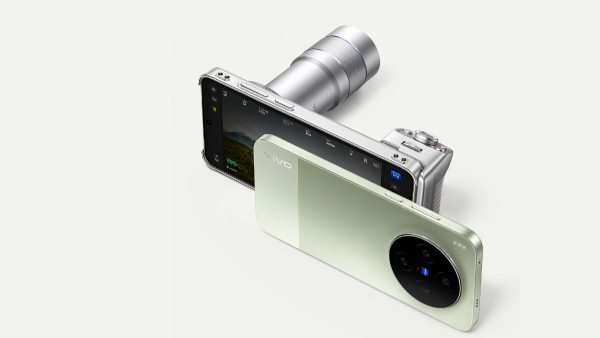
The excitement surrounding the Vivo X300 series has reached a fever pitch as official details begin to emerge. While the Ultra model often grabs the headlines, the Vivo X300s is shaping up to be the real dark horse of the lineup. Positioned as a “SuperMax” upgrade, this device aims to balance professional grade imaging with industry leading battery endurance. With a confirmed launch event today in China, here is a detailed look at the expected features and specifications of the Vivo X300s.
Immersive 144Hz Flat Display with Zeiss Calibration
One of the most significant shifts for the X series is the inclusion of a high performance flat display on the Vivo X300s. The device is confirmed to feature a 6.78 inch AMOLED panel sourced from BOE. What sets this screen apart is the 144Hz refresh rate, marking a first for the flagship X series which typically topped out at 120Hz.
To ensure professional grade visual fidelity, Vivo has incorporated Zeiss Master Color calibration. This technology provides natural and vibrant colors, making it an ideal canvas for photographers and content creators. Additionally, the display includes circular polarization technology to reduce eye strain during extended use, alongside a sharp 1.5K resolution that delivers approximately 453 pixels per inch.
Powerhouse Performance with MediaTek Dimensity 9500
Under the hood, the Vivo X300s is set to debut with the MediaTek Dimensity 9500 chipset. Built on an advanced 3nm process, this processor features a high performance core clocked at 4.21 GHz. This makes the X300s a formidable gaming machine, especially with the Arm G1 Ultra GPU handling high intensity graphics.
The phone is expected to support native 144FPS gameplay in popular MOBA titles, leveraging the high refresh rate of the display. To manage the heat generated during heavy workloads, Vivo has integrated a large area Ice Pulse VC liquid cooling system. Combined with the dedicated V3 plus Blueprint imaging chip, the device promises seamless multitasking and superior photo processing speeds.
Revolutionary 200MP Zeiss Triple Camera System
Imaging remains the cornerstone of the Vivo flagship experience. The Vivo X300s will feature a Zeiss tuned triple rear camera setup led by a massive 200MP primary sensor with Optical Image Stabilization. This high resolution sensor allows for incredible detail even in challenging lighting conditions.
The supporting cast is equally impressive, featuring a 50MP periscope telephoto lens with OIS and a 50MP ultra wide shooter. Unique to this generation is the Blueprint native color palette and the Lipstick 200 teleconverter kit, which provides users with professional creative control. For those who prioritize selfies and video calls, the front of the device houses a high resolution 50MP camera capable of 4K recording.
Massive 7100mAh Blue Ocean Battery
Perhaps the most talked about feature of the Vivo X300s is its unprecedented battery capacity. The device is confirmed to pack a 7,100mAh Blue Ocean battery, which is one of the largest ever seen in a premium flagship smartphone. This massive cell is designed to provide multi day battery life even for power users.
Despite the large battery size, Vivo has managed to keep the device relatively slim. Charging is equally efficient, with support for 90W wired fast charging and 40W wireless charging. This ensures that even such a large battery can be topped up quickly when needed.
Durability and Enhanced Multimedia Features
The Vivo X300s is built to last, featuring a premium glass and aluminum construction with both IP68 and IP69 ratings. This means the phone is resistant to not just dust and water immersion, but also high pressure water jets.
On the multimedia front, the device features symmetrical dual stereo speakers with an enhanced soundstage for immersive gaming and movie watching. A custom X axis linear motor provides detailed haptic feedback, while an ultrasonic in display fingerprint sensor offers fast and secure unlocking. Running on OriginOS 6 based on Android 16, the Vivo X300s is ready to set a new standard for flagship smartphones in 2026.