

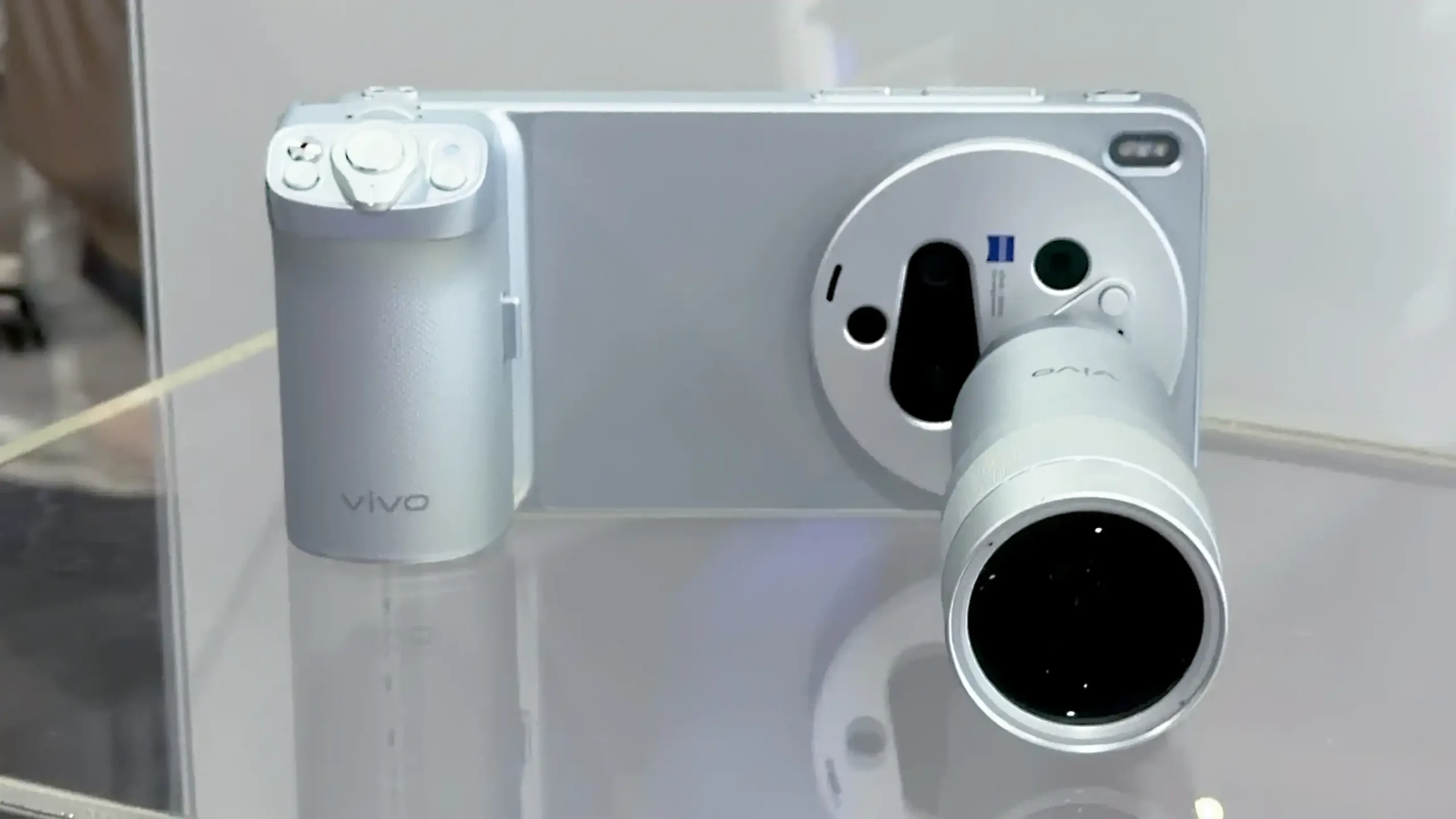
The world of mobile photography is witnessing a monumental shift as Vivo prepares to launch its most ambitious flagship yet. The upcoming Vivo X300 Ultra is set to become a global sensation by debuting a revolutionary camera system co engineered with Zeiss. While the X series has always been synonymous with premium imaging, the Ultra model for 2026 takes things to a professional level, integrating cutting edge hardware that challenges the boundaries between smartphones and dedicated cameras.
Global Debut of the Sony LYT 901 Sensor
At the heart of the Vivo X300 Ultra lies the world first 200 megapixel Sony LYT 901 sensor. This massive 1/1.12 inch main sensor represents a significant leap in light gathering technology. By increasing the effective light area per pixel by over 30 percent compared to previous generations, Vivo ensures that users can capture breathtaking details even in the most challenging low light environments.
One of the most interesting choices for the main camera is the move to a 35mm focal length. While most smartphones opt for a wider field of view, the 35mm perspective is a favorite among street and documentary photographers for its natural look and minimal distortion. This choice, combined with an f/1.7 aperture and Zeiss T* coating to eliminate glare, positions the X300 Ultra as a formidable tool for portraiture and high resolution storytelling.
Professional Zoom with the Zeiss Teleconverter Kit
Vivo stole the show at MWC 2026 by showcasing a massive 400mm Zeiss telephoto extender specifically designed for the X300 Ultra. This detachable accessory provides a staggering 17x optical zoom capability, allowing users to capture subjects from incredible distances without losing clarity. When paired with the built in 200 megapixel periscope telephoto lens, which uses the Samsung HPB sensor, the device can reach an 800mm equivalent focal length through in sensor cropping.
To support this powerful optical setup, Vivo has upgraded the stabilization system to CIPA 6.5 standards. This gimbal grade stabilization ensures that even at high zoom levels, handheld shots remain sharp and video footage stays smooth. For creators who want a complete production setup, Vivo is also introducing a professional camera cage featuring cooling fans, a side handle grip, and cold shoe mounts for external microphones and lighting.
Flagship Performance and Massive Battery Life
Beyond its photography prowess, the Vivo X300 Ultra is a powerhouse in every technical department. It is expected to be powered by the Snapdragon 8 Elite Gen 5 processor, built on a highly efficient 3nm process. This ensures that the device can handle 8K video recording and complex AI image processing without breaking a sweat. The phone is rumored to feature a stunning 6.82 inch 2K LTPO OLED display with a 120Hz refresh rate, providing a vibrant canvas for viewing high resolution content.
One of the most impressive upgrades is the inclusion of a massive 7,000 mAh battery. This represents a substantial increase over traditional flagships, catering to users who engage in heavy photography and video sessions. To keep the downtime minimal, the device supports 100W wired fast charging and 40W wireless charging. With an IP69 rating for superior dust and water resistance, the X300 Ultra is built to accompany photographers into any environment.
Expected Launch and Global Availability
Unlike previous Ultra models that were often restricted to the Chinese market, the Vivo X300 Ultra is expected to see a much wider global rollout. Reports suggest a China debut later this month, followed by an international launch in April or May 2026. This global push includes key markets like India, where fans of the X series are eagerly waiting for the ultimate camera flagship.
As Vivo continues to push the limits of what a mobile sensor can achieve, the X300 Ultra stands as a testament to their vision of bringing professional grade imaging to the palm of your hand. Whether you are a professional videographer or a casual enthusiast, this device is shaping up to be the gold standard for smartphone cameras in 2026.