

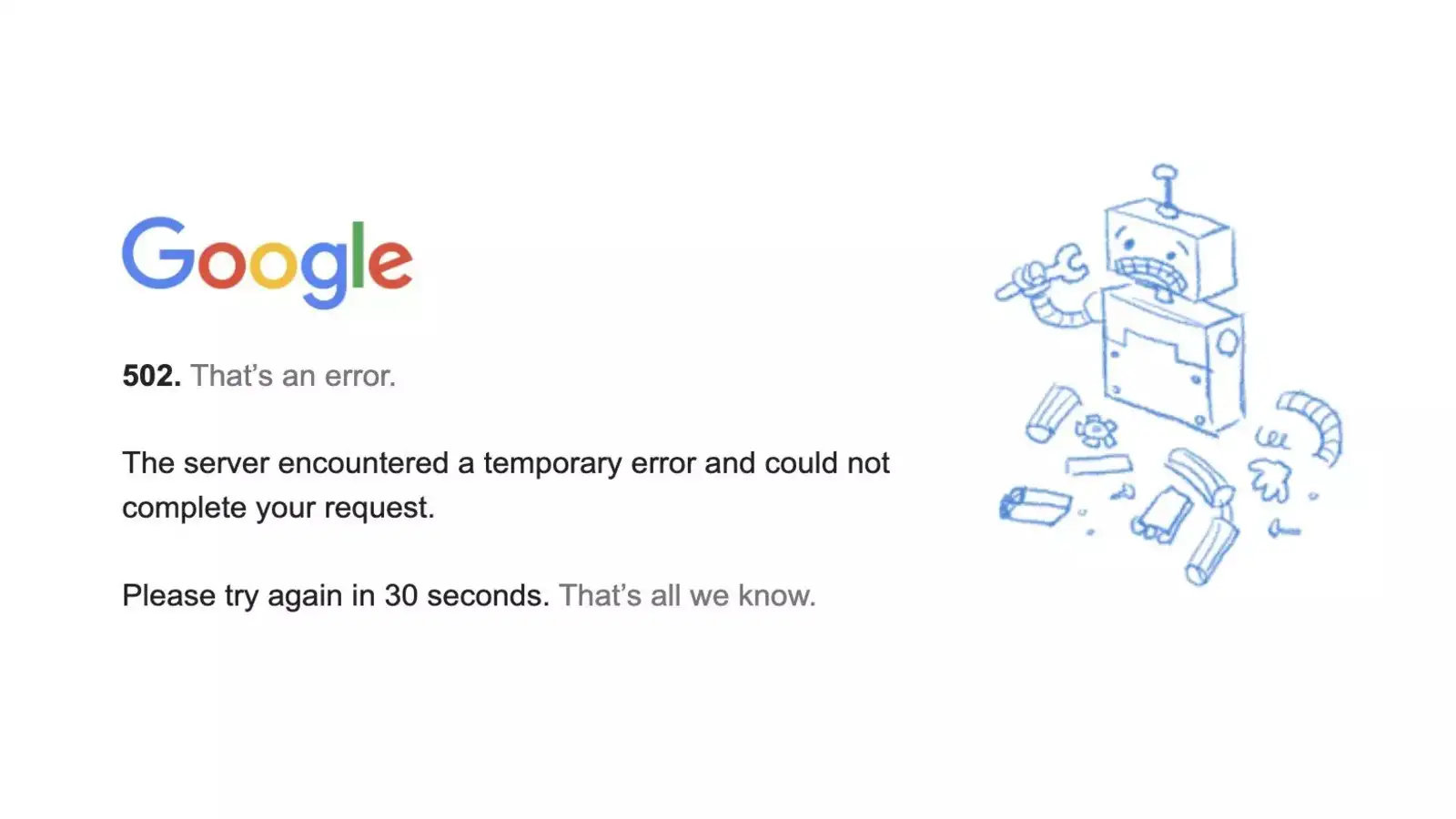
In an era where the internet feels as essential as electricity, a disruption to Google can bring the digital world to a standstill. Today, May 12, 2026, millions of users worldwide experienced exactly that. Starting in the early morning hours, reports began flooding in that Google Search, the cornerstone of modern information access, was suffering from a massive and unexpected server outage. For a company known for its near perfect uptime, this rare stumble sent shockwaves across social media and impacted productivity for students, workers, and businesses alike.
The Timeline of the Massive Google Outage
The disruption first became evident around 4:30 AM UTC, with a sharp spike in reports on outage tracking platforms like Downdetector. Users from India, Australia, Europe, and parts of the United States found themselves staring at the dreaded 500 Internal Server Error message. In India, the timing was particularly disruptive, hitting peak morning hours around 10:20 AM IST.
While some users experienced intermittent access where pages would load one moment and fail the next, others were met with completely blank result pages. By midday, reports indicated that while Google Workspace services like Gmail and YouTube remained largely operational for most, the core Search engine was the primary victim of the technical glitch.
Internal Server Errors and User Frustration
The primary symptom of the outage was the appearance of a generic server error page. The message, which stated that an internal server error had occurred while processing requests, offered little comfort to those relying on the platform for urgent queries. On platforms like X and Reddit, the reaction was a mix of genuine panic and classic internet humor.
Many users joked about the irony of not being able to Google why Google was down. Others expressed a more serious concern regarding the global over reliance on a single tech giant. For many digital natives, seeing the search engine fail felt like a digital earthquake, highlighting how invisible yet critical Google infrastructure is to daily life and global commerce.
Why Did Google Go Down Today?
As of this afternoon, Google has not released a detailed post mortem regarding the specific cause of the failure. However, tech experts have begun speculating on the likely culprits. Because the issue appeared to be synchronized across multiple geographic regions rather than localized to a single data center, many point toward a backend propagation problem or a faulty software update in the global load balancing system.
Others suggested that with the recent and deep integration of Gemini AI into the core search experience, the added complexity of AI processing could be a contributing factor to backend instability. While rumors of a cyber attack often surface during such events, there has been no evidence to suggest anything other than a technical internal failure.
The Ripple Effect on Digital Businesses
The impact of a Google Search outage extends far beyond casual browsing. Millions of businesses rely on Google for customer acquisition, ad revenue, and internal workflows via Google Workspace. Even a brief disruption in search visibility can lead to significant financial losses for e commerce platforms and digital publishers.
Furthermore, students and researchers found themselves unable to verify information or access academic resources, leading to a temporary halt in productivity. The event served as a stark reminder for organizations to diversify their digital tools and maintain contingency plans for when major service providers face downtime.
How to Stay Productive During a Google Outage
While the world waits for services to fully stabilize, today’s incident has many people looking for reliable alternatives. During the height of the outage, traffic surged for other search engines such as Bing, DuckDuckGo, and Brave Search. These platforms proved to be essential lifelines for those who could not wait for Google to resolve its internal issues.
If you are still experiencing intermittent glitches, experts recommend clearing your browser cache or switching to a different DNS provider as temporary fixes. As the Google engineering team continues to monitor the recovery, the digital landscape is slowly returning to normal, but the conversation regarding internet resilience is just beginning.