

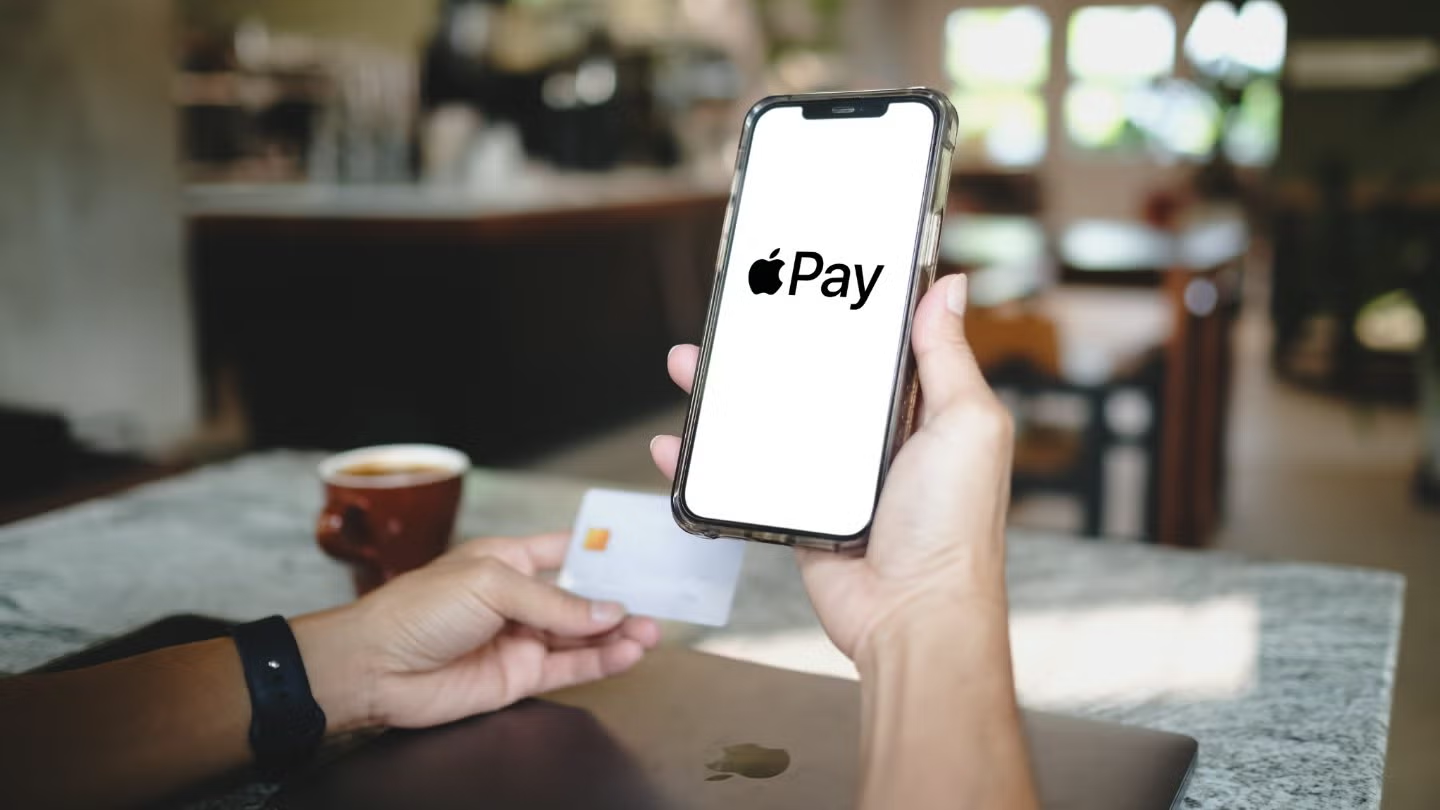
Apple has officially brought back support for credit and debit card payments for App Store purchases and iCloud subscriptions in India. This highly anticipated move comes after a gap of nearly five years leaving millions of iPhone and iPad users relieved. The tech giant had abruptly disabled card payment options back in 2021 due to strict regulatory changes implemented by the Reserve Bank of India. Since then users in the country had to rely solely on net banking options or the Unified Payments Interface to keep their digital subscriptions active.
The reintroduction of card payments marks a significant milestone for Apple in one of its fastest growing markets globally. The feature is currently undergoing active testing with a select group of Indian users and a wider public rollout is expected to happen over the coming months.
Why Apple Discontinued Card Payments In India Originally
To understand the significance of this return it is essential to look at why Apple stopped accepting cards in the first place. In 2021 the Reserve Bank of India introduced a strict card tokenisation mandate aimed at improving digital safety. This mandate prohibited merchants and payment aggregators from storing actual credit or debit card details on their local or global servers. Instead companies were required to replace sensitive card numbers with encrypted data blocks known as tokens.
At that time Apple chose to remove card options altogether rather than instantly changing its complex global billing architecture. For nearly five years Indian consumers faced significant friction while trying to renew iCloud storage plans or buy premium apps. Users had to manually add funds to their Apple ID prepaid balance or set up recurring mandates through local bank accounts which frequently failed due to technical glitches.
How Apple Complied With The RBI Tokenisation Mandate
The return of credit and debit card options indicates that Apple has finally altered its backend payment systems to align with Indian laws. Under the current Reserve Bank of India guidelines only authorized card networks are permitted to store tokenised data. Most importantly this tokenised data must be stored locally on physical servers within the borders of India.
Globally Apple backs up its tokenised customer payment data across secure servers in the United States, Denmark, and China. However sources familiar with the development confirm that Apple will comply with local data localization rules. The company will not mirror the tokenised payment details of Indian users onto any of its overseas servers. This complete compliance with data privacy laws has paved the way for a smoother transactional experience for Indian consumers.
What This Means For iCloud And App Store Users
For the average Apple consumer in India this development removes a major pain point. Users can now navigate to the payment and shipping section within their device settings to link their preferred credit or debit cards securely. The system supports major card networks operating in the country including Visa, MasterCard, and American Express.
Once a card is linked purchasing apps, renewing Apple Music subscriptions, or upgrading iCloud storage will become completely seamless. This eliminates the need to constantly monitor prepaid wallet balances or worry about automated payments failing due to bank server downtime. It also allows users to maximize reward points and cashback offers provided by their respective credit card issuers.
Setting The Groundwork For Apple Pay In India
Beyond the immediate convenience for App Store customers this policy shift is a major step toward a much larger goal. Industry experts believe that resolving the tokenisation deadlock lays the necessary foundation for the official launch of Apple Pay in India. The tech giant has been trying to introduce its contactless payment service to Indian consumers for several years but faced constant regulatory roadblocks regarding data storage and banking commissions.
By establishing local data pipelines and collaborating closely with Indian banking partners Apple is positioning itself to compete directly with existing digital wallets. While there is no official launch date for Apple Pay yet the return of basic card payments proves that Apple is willing to adapt to local regulations to capture a larger share of the Indian smartphone market.