

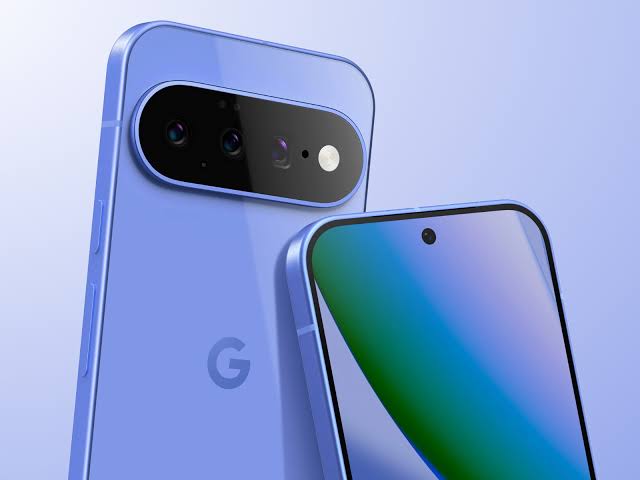
The tech world is buzzing with anticipation as a massive wave of internal leaks has completely uncovered Google’s launch strategy for the highly anticipated Google Pixel 11 series. While Google has traditionally kept its smartphone secrets closely guarded until late summer, major regulatory listings and supply chain insider reports have already painted a comprehensive picture of what consumers can expect from the upcoming flagship family.
The upcoming generation marks a pivotal moment for the Google smartphone ecosystem. With the corporate leadership shifting its hardware focus intensely toward local artificial intelligence processing, the internal upgrades planned for this generation represent the most significant architectural overhaul in years. From an entirely new processor fabrication method to a major change in network connectivity suppliers, the leaked details point to a lineup built to challenge industry leaders.
Expected Release Date And The New Bear Codenames
Based on historical launch patterns and newly leaked internal documentation, Google is expected to unveil the Pixel 11 lineup during its annual summer launch event in mid August. The company has found a comfortable rhythm by launching its flagship hardware just before the autumn smartphone rush, allowing the new devices to capture maximum consumer attention.
The leaked documents also confirm that Google is utilizing a series of bear themed internal codenames for the upcoming family. The standard entry level device is appropriately codenamed Cubs, while the premium compact model is designated as Grizzly. The larger professional variant carries the name Kodiak, and the next generation folding flagship is listed under the name Yogi. While the main trio of devices will likely hit store shelves by late August, supply chain experts suggest that the folding Yogi model might experience a staggered release, pushing its commercial availability closer to October.
Tensor G6 Processor Moves To Ultra Efficient Fabrication
The absolute headline story under the hood is the arrival of the custom Google Tensor G6 processor. For the first time, Google is migrating its silicon production to an ultra advanced two nanometer manufacturing process managed by Taiwan Semiconductor Manufacturing Company. This move effectively moves Google away from previous generation manufacturing limitations, positioning the Tensor G6 alongside the most powerful processors in the mobile industry.
Leaked hardware evaluation sheets reveal a unique seven core architecture. The processor configuration reportedly includes a single high performance core running at an impressive four point eleven gigahertz, paired with four intermediate performance cores and two efficiency cores. Beyond raw processing power, this shrink in fabrication size is designed to resolve long standing issues regarding thermal throttling and heavy battery drain during intensive tasks.
Furthermore, the leaks indicate that Google is making a highly requested change to its wireless infrastructure. The Pixel 11 series will reportedly abandon older network hardware in favor of an advanced MediaTek M90 modem. This shift is expected to deliver massive improvements in signal retention, faster data speeds, and reduced battery consumption when using cellular networks.
The Pixel Glow Notification System And Camera Revisions
Visually, the smartphone family will maintain the distinctive aesthetic identity established by its predecessors, featuring flat side frames and rounded corners. However, a major design shift involves the complete removal of the built in temperature sensor on the camera bar. In its place, Google is introducing an innovative hardware feature known as Pixel Glow.
According to code discovered within early software builds, Pixel Glow utilizes an multi colored lighting array embedded directly into the rear camera module. This system allows the smartphone to pulse subtle colored ambient light patterns to inform users of incoming notifications, call alerts, or artificial intelligence processing states when the device is resting face down on a surface.
On the imaging front, the base model will debut an entirely new fifty megapixel primary camera sensor internally codenamed Chemosh. The professional configurations will similarly receive updated hardware, integrating advanced main and telephoto sensors built to support cinematic video blurring at full four K resolution alongside superior low light processing capabilities.
The AI RAM Dilemma And Display Upgrades
One of the most debated leaks surrounding the standard smartphone model concerns its memory configuration. Regulatory filings suggest the base device might start with eight gigabytes of random access memory, while the professional models scale up to sixteen gigabytes. This potential limitation has caused intense discussion among enthusiasts, as Google’s advanced on device artificial intelligence features typically require substantial memory allocation to function smoothly.
Fortunately, the display technology is receiving a premium upgrade. The entire lineup will reportedly adopt top tier Samsung M16 organic light emitting diode display panels. This display material offers superior color accuracy, enhanced power efficiency, and a peak brightness level that effortlessly overcomes direct outdoor sunlight, ensuring a phenomenal visual experience across the entire user ecosystem.