

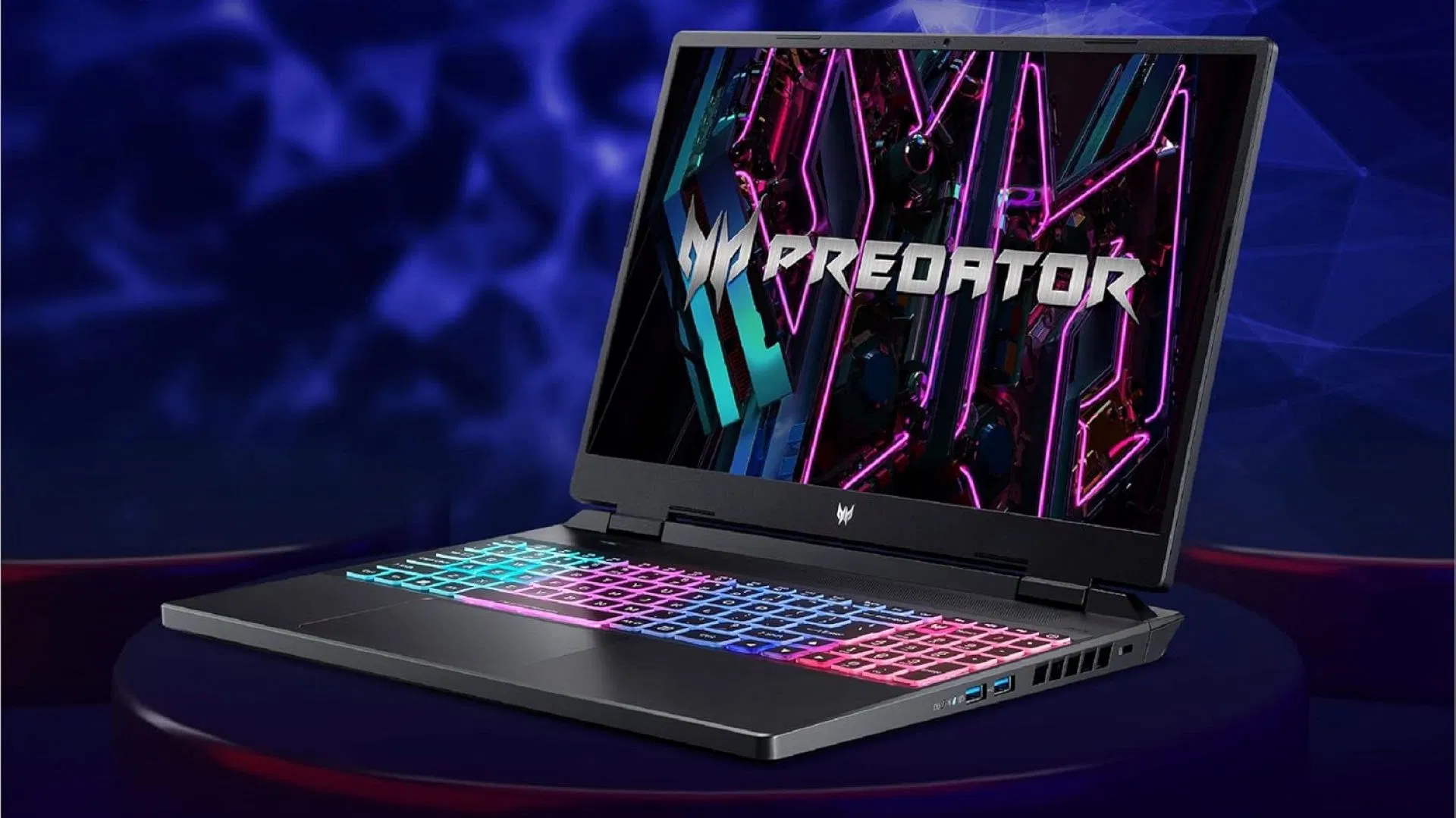
The European technology market has been hit with a major shockwave as two of the largest computer manufacturers, Acer and Asus, have been ordered to halt sales of their laptops and personal computers in Germany. This sudden development follows a high profile legal battle in the Munich I Regional Court, leaving many consumers and industry experts wondering how such dominant players could be sidelined in one of Europes most critical markets.
The ban, which took effect in February 2026, is the result of an intense patent dispute with the Finnish telecommunications giant Nokia. As the legal dust settles, the implications for the hardware industry and German shoppers are becoming increasingly clear.
The Heart of the Dispute: Video Coding Patents
The legal conflict centers on a technology known as High Efficiency Video Coding, or HEVC. Also referred to as the H.265 standard, this technology is essential for modern computing. It allows devices to compress high resolution video files, such as 4K and 8K content, making it possible to stream and play media smoothly without consuming excessive bandwidth or storage space.
Nokia holds several standard essential patents related to this video codec. Because these technologies are fundamental to how almost all modern computers operate, manufacturers are required to obtain licenses to use them. While many other tech companies have reached licensing agreements, the German court found that Acer and Asus had been using these patented technologies without a proper license, leading to the current injunction.
A Failure to Reach Fair Licensing Terms
Under international law, owners of standard essential patents are required to offer licenses on terms that are fair, reasonable, and non discriminatory, often abbreviated as FRAND. During the court proceedings, Nokia argued that it had made multiple attempts to negotiate with both Acer and Asus to reach an amicable agreement.
However, the Munich court ruled that the two Taiwanese manufacturers were not acting as willing licensees. The judges determined that the companies had not shown a sufficient commitment to accepting the fair terms offered by Nokia. This ruling is particularly significant because another company involved in the same dispute, Hisense, chose to settle and sign a licensing deal in early 2026, avoiding a similar fate.
Immediate Impact on German Consumers and Retailers
The court ruling has immediate and practical consequences for anyone looking to buy an Acer or Asus device in Germany. Both companies have been prohibited from importing, marketing, or selling new PCs and laptops directly within the country. As of mid February, the German websites for both brands have been placed in a maintenance mode or significantly adjusted to reflect the lack of available hardware.
It is important to note that the ban primarily targets the manufacturers themselves rather than third party retailers. This means that stores like MediaMarkt, Saturn, or Amazon Germany can still sell their existing inventory until supplies run out. However, once those stocks are depleted, no new shipments from Acer or Asus can legally enter the German market until the legal issues are resolved.
What Lies Ahead for the Tech Giants
Both Acer and Asus have indicated that they respect intellectual property rights but are exploring all legal avenues to resolve the situation. This could involve filing an appeal to overturn the injunction or, more likely, returning to the negotiating table to finalize a licensing agreement with Nokia.
This situation serves as a stark reminder of the power of patent enforcement in the digital age. As video technology continues to evolve toward even newer standards like VVC or H.266, the pressure on hardware makers to secure their legal standing will only grow. For now, German tech enthusiasts may need to look toward competitor brands like Dell, HP, or Lenovo while the two Taiwanese giants work to restore their presence in the region.