

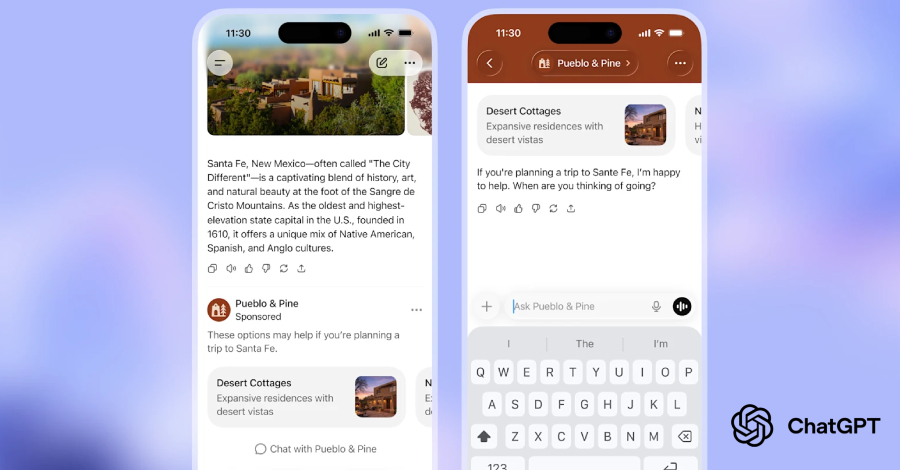
The world of generative artificial intelligence is witnessing a major transformation this week. OpenAI officially began testing advertisements within ChatGPT on February 9 2026. This significant shift marks the first time the company has integrated sponsored content directly into its flagship chatbot experience. Targeting a subset of users in the United States, this move aims to balance the immense costs of AI infrastructure with the mission of keeping advanced technology accessible to everyone.
A New Chapter for ChatGPT Free and Go Tiers
For years, ChatGPT operated as a largely ad free zone, but as user numbers surged and operational costs skyrocketed, the transition to a hybrid revenue model became inevitable. The current test specifically targets two groups: those on the Free plan and subscribers of the recently launched ChatGPT Go tier.
ChatGPT Go, priced at 8 dollars per month, was designed as an entry level subscription for users who need more messages than the free version but do not require the full power of the Plus or Pro plans. While these users pay a monthly fee, they will now see ads as part of the deal to keep the subscription price low. Meanwhile, high tier subscribers on Plus, Pro, Team, and Enterprise plans will remain entirely ad free.
How Ads Will Appear in Your Conversations
One of the biggest concerns for users is how these ads will impact the flow of conversation. OpenAI has been vocal about maintaining a “clean” interface. Unlike traditional web banners that clutter a page, ChatGPT ads are designed to be contextual and non intrusive.
- Placement: Ads appear as a single unit below the AI response rather than interrupting the text itself.
- Visual Distinction: Sponsored content is clearly labeled and visually separated from the organic answer generated by the model.
- Contextual Relevance: The system selects ads based on the current conversation topic, your past chat history, and your previous interactions with ads.
For instance, if you are asking for advice on planning a hiking trip in the Pacific Northwest, you might see a sponsored link for a high quality outdoor gear retailer or a travel insurance provider at the bottom of the response.
Privacy and Choice at the Forefront
Privacy remains a sensitive topic in the AI era. OpenAI has established strict guidelines to ensure that user trust is not compromised for revenue. Most notably, the company has stated that advertisers do not have access to your private chats, memories, or personal details. Instead, they only receive aggregate data such as the total number of views or clicks their ads received.
Users also have a significant amount of control over their experience. You can:
- Toggle Personalization: You can turn off ad personalization in your settings. If disabled, ads will only be based on your current active chat thread.
- Dismiss and Feedback: Each ad unit allows you to hide it or provide feedback if it feels irrelevant or intrusive.
- The Ad Free Option: Interestingly, OpenAI is offering a “no ads” toggle for Free users. However, choosing this option comes with a trade off: you will have significantly lower daily message limits and restricted access to advanced features like deep research or image generation.
Safety Rules and Restricted Topics
To protect the integrity of the platform, OpenAI has placed several guardrails on its advertising program. Ads will not be shown to users who are under 18 years old or those predicted to be minors. Furthermore, sponsored content is strictly prohibited from appearing alongside sensitive or regulated topics. This includes conversations regarding mental health, medical advice, and politics. By excluding these areas, OpenAI aims to prevent the risk of misleading information or scams in high stakes situations.
Why This Shift Matters for the AI Industry
This rollout comes just days after the 2026 Super Bowl, where rival AI company Anthropic aired commercials mocking the idea of ads in chatbots. Despite the public jabs, OpenAI’s move suggests that the industry is moving toward a more sustainable financial future. By proving that ads can coexist with AI without influencing the “truth” of the model’s answers, OpenAI is setting a precedent for how conversational search might look in the coming years.